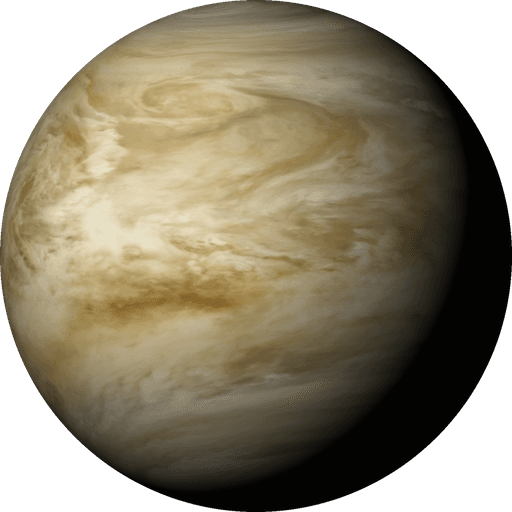

Mercury
A year here is shorter than a day: 88 days to circle the Sun, 176 days from one sunrise to the next.
Explore Mercury →- FROM THE SUN
- 58 million km
- WIDTH
- 0.38 × Earth
- ONE DAY
- 176 Earth days
- ONE YEAR
- 88 days
- KNOWN MOONS
- 0
- AXIS TILT
- 0°
DRAG, SWIPE OR USE ← → · SPIN SPEEDS ARE RELATIVE, NOT TO SCALE
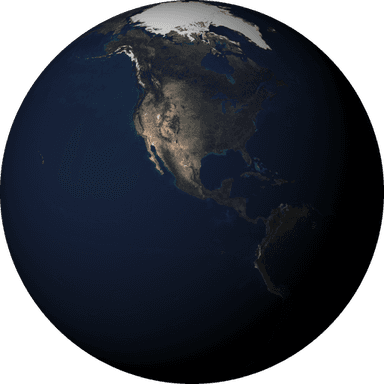
The only world we know of with life on it. Including you.
Explore Earth →Showing Earth, planet 3 of 8.
From agencies and newsrooms, linked to the original report.
All news →
Solar System 3DFly between the planets where they are right now, and run time forwards or back.
PlanetsAll eight planets, spinning on their real tilts.
LearnTwo-minute quizzes. Scores saved to your account.
EventsMeteor showers, eclipses and planet pairings ahead.
NewsWhat's happening in spaceflight today.Every day NASA publishes one image of our universe with a short explanation by a professional astronomer.
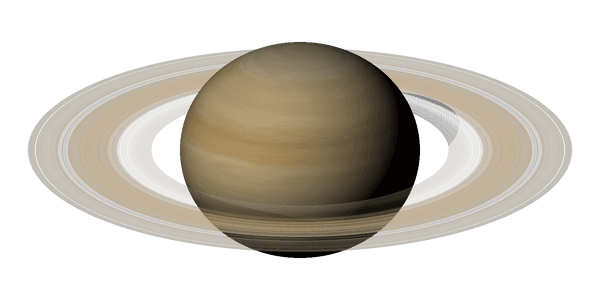
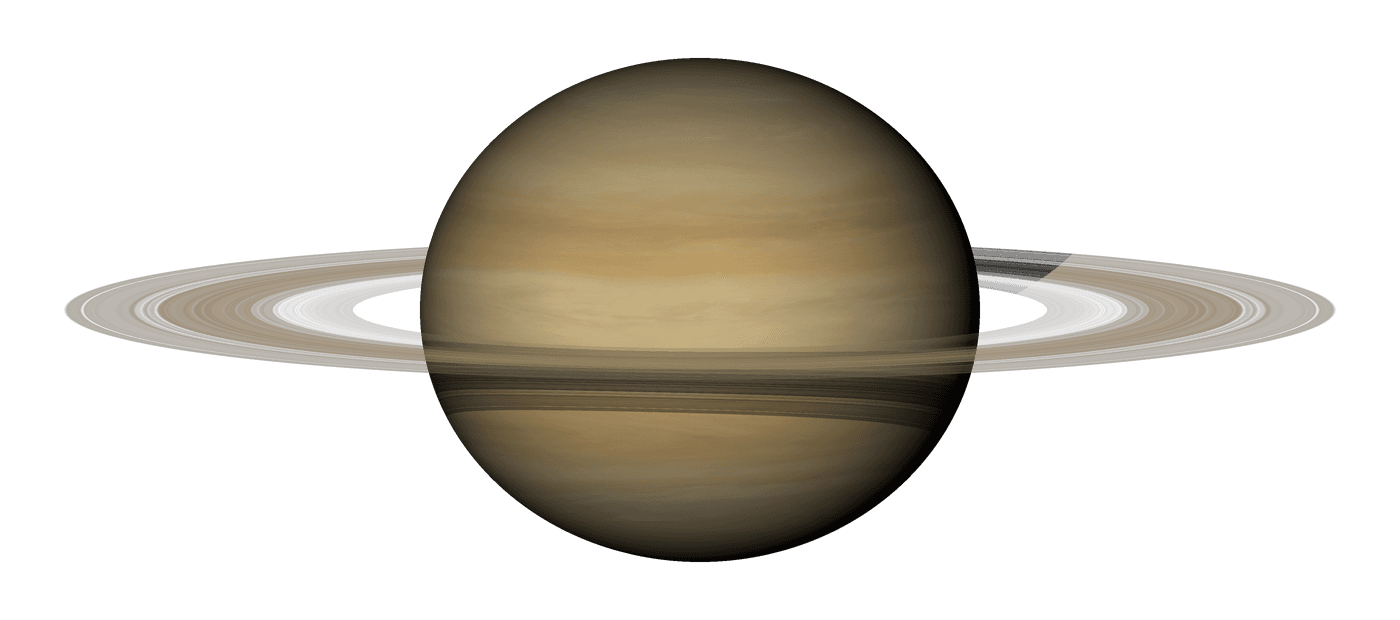
The light reaching your eyes left Saturn 72 min ago and crossed 1.3 billion km. You don't need a telescope. If you have one, look closely: the rings are tilted almost edge-on right now.

Look east-southeast, high. It's the bright point that doesn't twinkle.
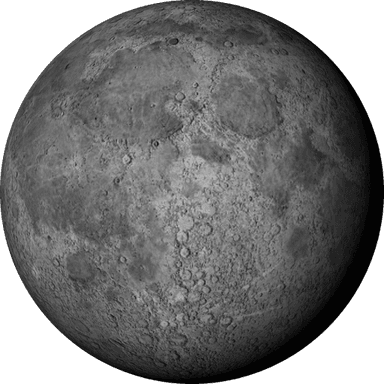
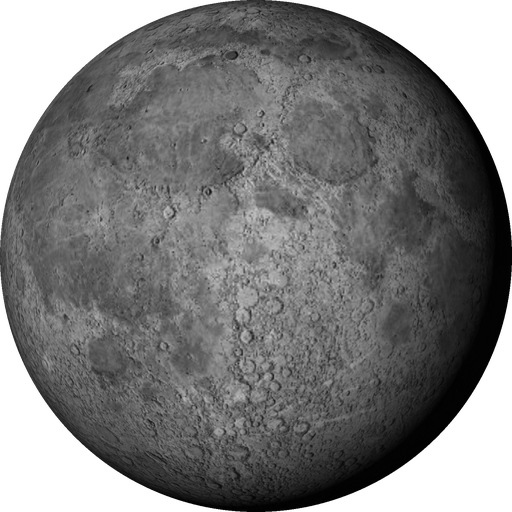
Waxing crescent, 16% lit, low in the west-southwest. See the faint grey on the dark part? That's sunlight reflected off Earth.

Early risers: look east-southeast, low. It's the bright point that doesn't twinkle.
| OBJECT | BRIGHTNESS | RISES | SETS | WHERE TO LOOK |
|---|---|---|---|---|
| Moon | Brightest | at dusk | 20:57 | Evening, low in the west-southwest |
| Bright | 05:08 | 16:52 | Too close to the Sun tonight | |
| Dazzling | 04:16 | 16:01 | Before dawn, low in the east-southeast | |
| Bright | 00:19 | 12:55 | Before dawn, high in the east | |
| Very bright | 00:23 | 12:57 | Before dawn, high in the east | |
| Bright | at dusk | 03:25 | Evening, high in the east-southeast | |
| Faint, binoculars | 18:32 | 07:18 | Evening, a third of the way up in the east-northeast |

Times in Bangkok time. Positions computed with Astronomy Engine. Neptune and fainter objects need a telescope and are left out.
Close enough to fit in one binocular view.
Half lit, high in the south at dusk. Sets at 00:18.
Up to 15 shooting stars an hour from a dark site. Moon sets 00:18; best after that until dawn.
19.6° from the Sun, low in the east before sunrise.
Rises around sunset and stays up all night.